Design
How to Choose a Landscape Designer in Dallas: Questions to Ask Before You Sign
-
Blount Designs

Every landscape design portfolio in Dallas looks impressive. Manicured lawns, glowing pool decks, pergolas at golden hour — the photos rarely tell you anything about what the six months between contract signing and finished project actually felt like. That gap between the portfolio and the lived experience is where most of the frustration in this industry lives, and it rarely shows up in a first meeting. It shows up when a crew is late, when a plant dies and nobody explained why, or when the person who sold the project disappears once installation starts.
The questions below are worth asking before you sign anything. Schedule a design consultation with Blount Designs to walk through what these look like for your property.
Why Do Dallas Landscape Timelines Slip More Than Homeowners Expect?
A landscape company's first estimate is almost always the best-case version of the schedule. The more useful number is the range, and the more useful conversation is about what would push the project past it. In North Texas specifically, a few conditions affect timelines in ways that a generic national estimate won't account for. Expansive clay soil across the region often requires additional geotechnical review before grading and drainage work can proceed — adding real time to the pre-construction phase on properties where it applies, not because of poor planning but because the soil itself demands it. Regional construction activity, including the ongoing DFW Airport Terminal F build-out through 2026, has also put added pressure on skilled trade labor and material availability across North Texas, which affects scheduling for every design-build firm working in the metro right now, not just smaller ones.
None of this means a project has to run long. It means a designer who is being straight with you will explain these factors upfront and build them into the estimate, rather than quoting the fastest possible timeline and letting you discover the real one later. Ask what typically extends a project of your scope, and ask how the company communicates when a delay happens — not whether delays are possible, because on any real construction project, they are.
What Should a Landscape Design Company Do Before Anything Gets Installed?
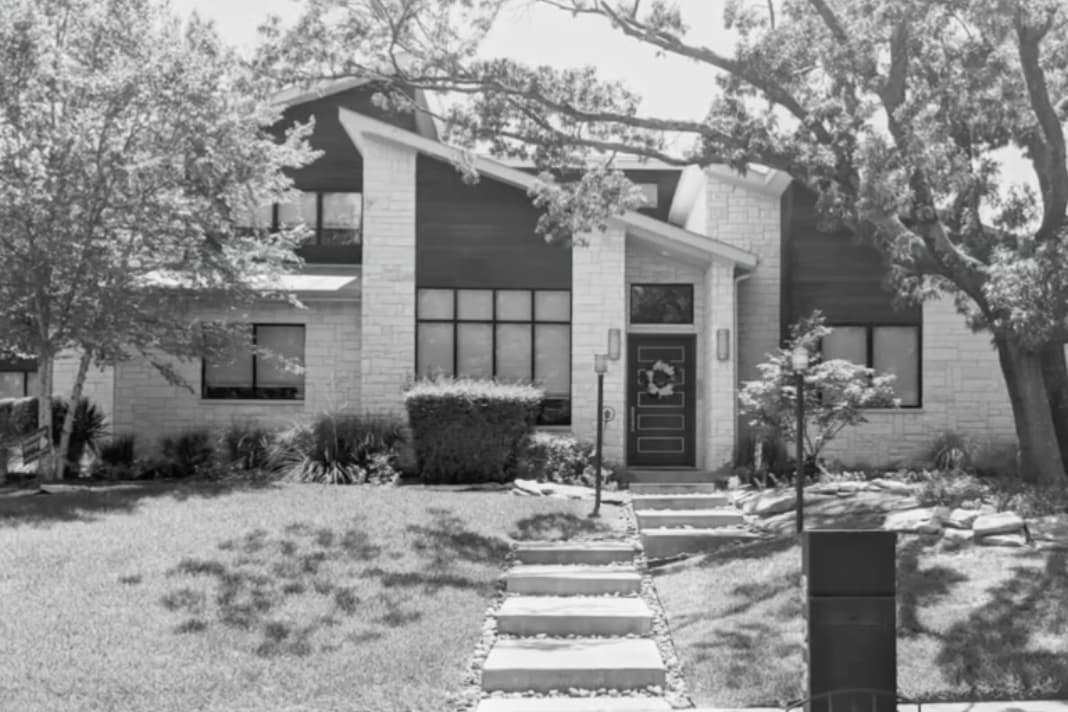
Before:
A proper site assessment happens before plant selection is finalized, not after something struggles to survive its first North Texas summer. That assessment should cover where water moves and pools across the property, what the soil actually supports without expensive amendment, how sun and shade shift across the seasons in the specific spots where plantings are proposed, and where existing irrigation lines and utilities sit. When a plant dies months after installation and the explanation is sun exposure or drainage that wasn't accounted for, the failure usually traces back to a site assessment that didn't happen or wasn't thorough — not to the plant itself.
This is worth asking about directly and specifically: what does your site assessment include, is it documented, and can I see what that documentation looks like before we finalize a planting plan. A firm that has done this consistently will have a straightforward answer. A firm that treats site assessment as an informal walk-through rather than a documented step is more likely to end up in a dispute over plant health later, with no record of what was assessed or disclosed at the time of planting.
Who Should You Expect to Be Talking to Once Installation Begins?
The person who sells the project and the person who runs the job site are not always the same person, and on a multi-week or multi-month installation, that gap is where communication tends to break down. Homeowners managing several active properties at once, or working with a firm that is juggling many projects simultaneously, often describe feeling deprioritized once the contract is signed — crews that say they are on their way and don't arrive, days that pass without an update, and a general sense that the project has slipped down someone's list.
Ask who your specific point of contact is once work starts, whether that is the same person you met during design, and how they communicate when a crew's schedule changes. A firm with a genuine design-build model — where the people who designed the project also manage its installation — has a structural reason to keep that continuity. A firm that hands installation off entirely to subcontractors it doesn't directly manage has a harder time guaranteeing it, even with the best intentions.
Eight Questions to Ask a Landscape Designer Before You Sign
1. What is your typical timeline for a project like mine, and what would extend it?
A specific range, plus the honest factors that could push it — soil conditions, permitting, weather, material lead times — tells you more than a single optimistic number.
2. Who is my point of contact once installation starts, and is it the same person I'm talking to now?
Continuity between the design conversation and the build phase is one of the clearest signals of how a project will actually be managed.
3. What happens if a scheduled crew day gets pushed or delayed?
Ask how you'll be notified and how far in advance — not whether delays happen, but what the communication looks like when they do.
4. What does your site assessment process include before anything is planted?
Listen for specifics — soil, sun and shade mapping, drainage, existing irrigation — not a general assurance that "we know what grows well here."
5. Do you design and manage installation directly, or is that handed off to subcontractors you don't oversee?
Both models exist in this market. What matters is knowing which one you're hiring, and who is accountable if something needs to be corrected.
6. What does your plant and material warranty actually cover, and for how long?
A firm that has thought this through can describe it plainly. Vague reassurance without specifics is worth pressing on before you sign.
7. If something needs to be redone after installation, what is the process?
Ask this directly rather than assuming. A clear, specific answer here says more about a firm than anything in its portfolio.
8. Can I see a completed project of similar scope, and speak with that homeowner?
A firm confident in its work will make this easy. Hesitation on this question is itself useful information.
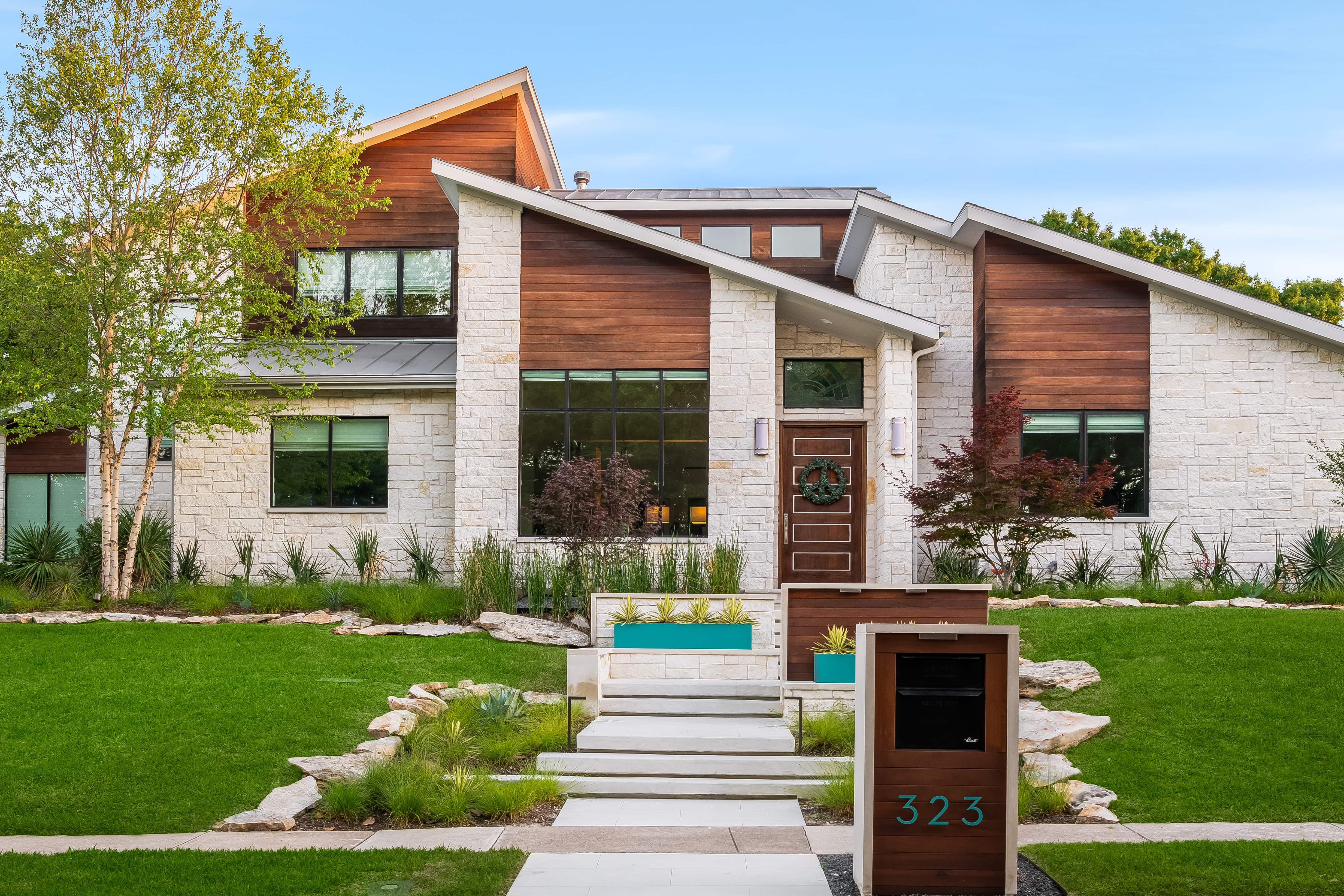
After:
Blount Designs works as a design-build firm — the same team that develops your master plan and design process stays involved through installation, with a single point of contact managing the project rather than a handoff between departments. Our work on builder-coordinated properties like Montrachet in Fort Worth reflects the same site-assessment and communication standard we apply on every project, whether it's a builder handoff or a standalone estate renovation. For homeowners in Frisco and the new-construction corridor in particular, where a builder's landscaping is often the last thing addressed and the first thing that needs a real plan, these questions matter before a single shovel goes into the ground.
If you're still deciding whether your project needs a landscape designer or a licensed landscape architect, this comparison breaks down the difference and when each one applies in Texas. And if you want the fuller picture of what a landscape designer's process covers from the first site visit through construction documentation, this guide walks through it in detail.
Frequently Asked Questions About Choosing a Landscape Designer in Dallas
Why do landscape project timelines in Dallas often run longer than the original estimate?
North Texas clay soil frequently requires additional geotechnical review before grading and drainage work can proceed, and regional labor and material availability affect every design-build firm working across DFW right now — not only smaller ones. A realistic estimate accounts for these factors upfront rather than assuming ideal conditions throughout.
What's the difference between a site assessment and a design consultation?
A design consultation is a conversation about your goals, style, and budget. A site assessment is a technical evaluation of the property itself — soil, drainage, sun and shade patterns, existing irrigation and utilities — that determines what will actually succeed once installed. Both should happen, and the site assessment should happen before a planting plan is finalized.
What should be included in a landscape designer's warranty?
At minimum, a clear statement of what plant and material failures are covered, for how long, and what the replacement or repair process looks like. Ask for this in writing rather than as a verbal assurance, and ask how disputes over cause — for example, whether a plant failure was due to installation, site conditions, or maintenance — are typically resolved.
How is a design-build firm different from a firm that only designs?
A design-only firm produces plans and hands installation to contractors you hire and manage separately. A design-build firm like Blount Designs manages both phases under one team, which means the people who designed the project are also accountable for how it's built and are your point of contact if something needs to be adjusted along the way.
If you're evaluating landscape designers for a property in Highland Park, Preston Hollow, Frisco, or anywhere across DFW, the right first step is a direct conversation about your specific site and timeline. Request a design consultation with Blount Designs and we'll walk you through our process, our site-assessment approach, and who you'll be working with from the first visit through completion.
Related